
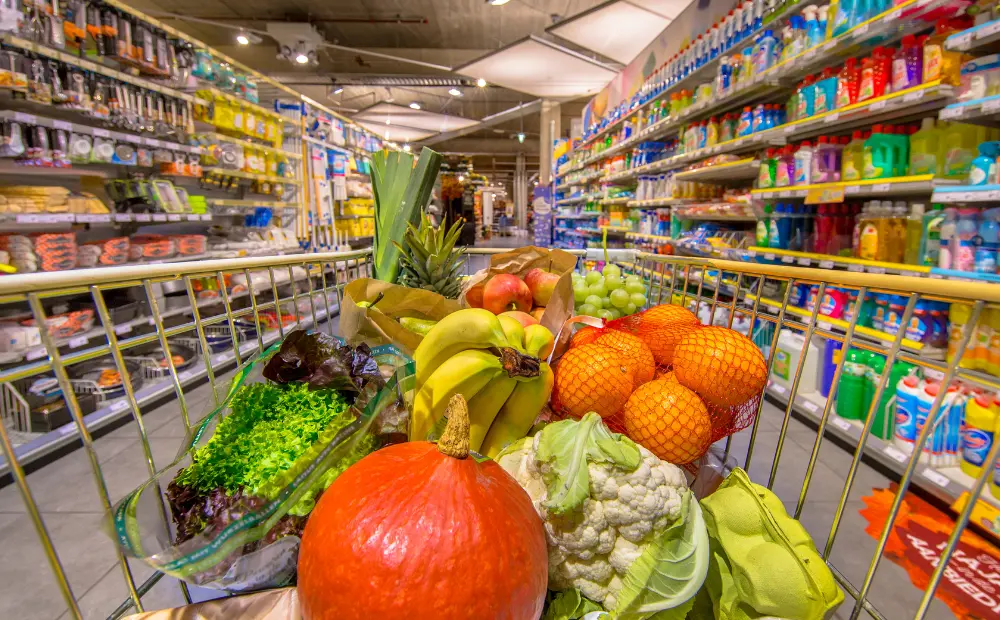
Checkout defines the pace of the store. When it slows, everything backs up. More staff do not fix the issue. Self-checkout spreads across the floor. AI smart shopping carts take a different path. They place the checkout inside the cart itself. Each item is recorded in real time. Payment completes before exit.
Lines disappear without added staff or new lanes. This shift matters now. Labor costs rise. Shoppers expect speed. Competition moves fast. Checkout-free retail helps supermarkets maintain control over flow, costs, and customer trust.
What Are AI Smart Shopping Carts — And Why Retailers Are Deploying Them Now
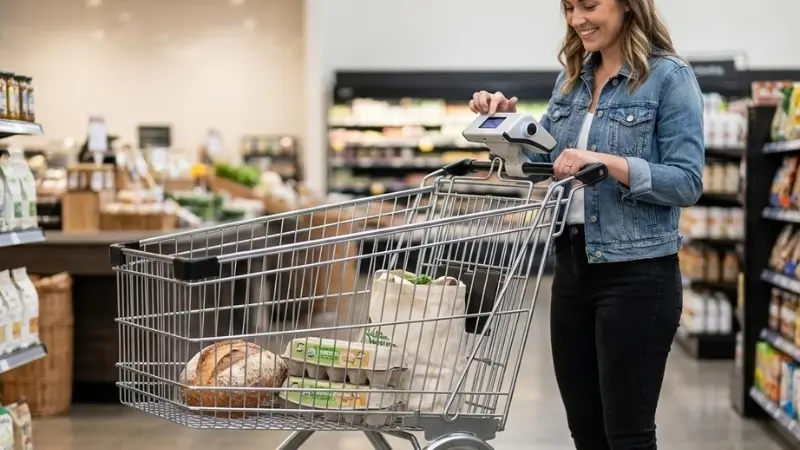
AI smart shopping carts move checkout into the cart itself. They track items during the trip, not at the end. This shift removes queues without adding lanes or staff.
AI Smart Carts vs Basic Digital Carts (Important Distinction)
Not every smart cart uses AI. Many systems only add a screen or scanner to a standard cart. These tools assist shoppers but still rely on manual scans. Barcode-only carts depend on correct user action. Errors remain common.
AI shopping carts use cameras and weight sensors inside the cart. The system detects items when customers place or remove products. No scan step exists. The cart builds the basket on its own. This difference matters. A tablet on a cart improves guidance. AI smart carts replace the checkout task itself.
Why Supermarkets Are Accelerating Adoption
Supermarkets face rising labor pressure at checkout. Staffing gaps remain hard to fill. Oversight costs stay high. Long lines prompt customers to leave without completing their trips. Self-checkout did not stop this pattern.
AI shopping carts address these issues without full store changes. Retailers keep existing layouts. They reduce checkout labor load. Store flow improves during peak hours. Innovative cart technology provides a faster path to checkout-free retail, eliminating the need for major rebuilds or extended closures.
How AI Smart Shopping Carts Work Inside a Live Supermarket
AI smart shopping carts operate inside busy stores, not controlled demos. They must perform during peak hours, handle mixed baskets, and experience constant movement. The system works because hardware, software, and store systems stay aligned at every step of the trip.
Cart-Mounted Hardware Stack (Sensors, Cameras, Processing)
Each cart carries its own hardware. Cameras sit above the basket and track item movement. Weight sensors sit below and detect changes when items enter or leave. On-cart processing handles actions in real time.
Cloud systems support updates and model improvement. Accuracy depends on this balance. Hardware captures physical changes. Software confirms intent. When both stay aligned, the cart keeps pace with live store traffic without delay.
Real-Time Item Recognition and Basket Building
The cart builds the basket during the trip. When a shopper adds an item, the system detects motion and a change in weight. Cameras identify the product. The basket updates at once. The exact process runs when items leave the cart.
The system checks shape, size, and weight together. This method prevents double-counts and missed items. Shoppers never rescan or correct entries.
Checkout-Free Payment Flow
Payment happens in the cart. Shoppers view totals as they move through the store. They confirm payment before exit.
No fixed checkout lane exists. Store flow improves during busy periods. Staff no longer manage long queues. This model supports checkout-free retail without changing how customers shop.
POS, Inventory, and Store System Integration
Smart carts connect with store systems to stay accurate. The link supports daily operations through:
- Real-time price sync with the POS
- Automatic inventory updates after each trip
- Promotion and discount logic applied to the cart
This connection keeps records clean while supporting retail AI hardware at scale.
Smart Shopping Carts vs Self-Checkout: Operational Differences That Matter
Smart shopping carts and self-checkout aim to reduce friction. Their operational impact differs in daily store conditions. One shifts checkout earlier. The other keeps it at the end. That difference shapes flow, labor use, and peak-hour control.
Operational Comparison
| Dimension | Smart Shopping Carts | Self-Checkout |
|---|---|---|
| Checkout location | Inside the cart | Fixed checkout zone |
| Queue dependency | None | High during peak hours |
| Staff involvement | Low and spread across the floor | High supervision required |
| Error handling | Automatic item tracking | Frequent rescans and overrides |
| Shrink exposure | Lower with cart-level tracking | Higher due to missed scans |
| Customer flow impact | Continuous movement | Stop-and-go traffic |
| Peak-hour performance | Scales with cart count | Bottlenecks at terminals |
Self-checkout still creates lines because checkout remains a single step at the end. Every shopper reaches it at once. During peak hours, terminals fill fast. Staff step in to fix errors and approve items. Supervision costs stay high. Shrink risk increases with manual scans.
Smart carts remove this choke point.
Operational Benefits of AI Smart Shopping Carts for Supermarkets
AI smart shopping carts bring measurable gains to store operations. They cut queues, lower labor friction, and give leaders real-time data for daily decisions. These advantages tie directly to the metrics supermarket teams track every week.
1. Queue Elimination and Faster Store Throughput
Smart carts cut the need for a fixed checkout station by moving the payment step into the customer’s journey. Studies show systems that automate item tracking and payment reduce time spent in line and speed overall shopping time by a substantial margin compared to traditional checkout methods.
Researchers found that intelligent systems can cut checkout handling time by more than half, enabling more trips through a store in the same hours of operation. This contributes directly to higher throughput and shorter wait times for loyal customers.
2. Labor Cost Reduction Without Service Loss
With checkout tasks handled by carts, stores need fewer dedicated cashiers. Staff can focus on shelf stocking, customer help, or replenishment zones. Teams shift from repetitive scanning to value-added support around the store.
Retailers report reduced cashier staffing needs of around one-third when smart carts replace traditional checkout lanes, freeing labor while keeping service levels strong.
3. Higher Basket Size Through On-Cart Engagement
Smart carts can drive incremental revenue while shoppers are still in the store. They support:
- Built-in recommendations based on basket contents
- Promotional offers displayed during shopping
- Contextual upsell prompts as customers add items
These prompts increase average basket value without interrupting flow. Case data shows smart carts can raise average spending per trip by encouraging relevant add-ons and tailored offers.
4. Real-Time Visibility Into Shopper Behavior
Each cart logs interactions as they happen. Managers can see:
- Movement patterns on the floor
- Where shoppers pause and browse
- What items attract attention before purchase
This data helps optimize aisle design, product placement, and staffing. Retailers gain insights that were once available only through costly third-party studies or manual observations. This visibility boosts operational decision-making and aligns store flow with customer behavior.
5. Shrink Reduction Through AI-Based Monitoring
AI carts monitor items with camera inputs, weight data, and sensor checks. This reduces mis-scans and missed items at checkout. Real-time tracking helps prevent losses from theft or errors that often occur with manual barcode systems.
Customer Experience Gains That Drive Repeat Visits
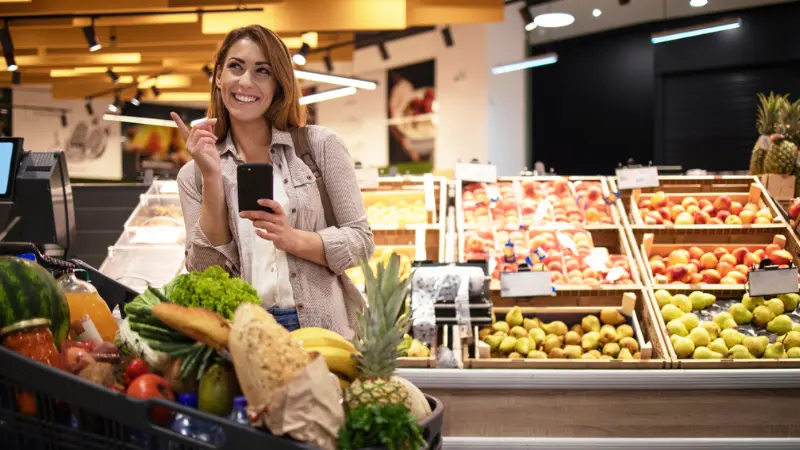
Customers choose smart shopping carts because they remove daily shopping friction. The value feels practical, not flashy. Each trip becomes faster, clearer, and easier to control. These gains build habits that support loyalty and repeat store visits.
Shopping Without Waiting at the End
Smart carts remove the final stop that slows every trip. Customers shop and finish without standing in line. They exit when ready. This flow matters most during peak hours. Faster exits reduce frustration. Shoppers leave with a better impression of the store. Over time, this experience increases return visits.
Clear Pricing at Every Step
The cart shows prices as items enter the basket. Customers see totals change in real time. There are no surprises at the end. This clarity builds trust. Shoppers feel confident about what they spend. Stores benefit from fewer disputes and smoother exits.
More Control Over Budget and Time
Customers manage spending as they shop. They add or remove items with full visibility. This control reduces stress. Trips stay on schedule. Shoppers finish faster without rushing. These small gains matter for repeat visits, especially for routine grocery trips.
Contactless Flow That Feels Natural
Smart carts support a touch-light journey through the store. Customers avoid shared screens and crowded lanes. Movement stays smooth from entry to exit. The trip feels efficient and calm.
Why Checkout-Free Retail Is Becoming a Strategic Requirement
Supermarkets today are dealing with more than just day-to-day operations. Labor costs keep rising, customer expectations are changing, and frictionless retail is setting a new standard. All of this is pushing store leaders to think beyond the short term.
That’s why checkout-free retail isn’t just a trend anymore. It’s becoming a practical way for grocery stores to stay competitive, grow, and keep up with how people want to shop today.
Labor Market Reality and Rising Costs
The labor market remains tight for front-line retail roles. Many supermarkets struggle to fill cashier and checkout support positions. At the same time, labor costs continue to rise year over year, pushing leaders to find new ways to balance service and cost.
Checkout-free solutions reduce reliance on checkout staff and shift team members to tasks that add more value to the store.
Competitive Pressure from Frictionless Formats
Retailers that offer seamless journeys are setting new customer expectations. Big players and innovators in grocery technology have already experimented with cashier-less formats that eliminate lines and speed exits.
This puts pressure on others to keep pace or risk losing shoppers to competitors with smoother in-store flow. Checkout-free retail trends are part of broader retail automation that influences how customers choose where to shop.
Consumer Expectation Shift Toward Speed and Ease
Modern consumers show a clear preference for faster and simpler store trips. Surveys find that a large share of shoppers now prefer options that cut waiting and streamline payment steps.
Checkout-free solutions meet these expectations by removing traditional choke points and keeping the store experience aligned with how people live and shop today.
Partial Automation Beats Full Store Rebuilds
Full store redesigns are expensive and disruptive. They require major capital and months of downtime. Checkout-free retail solutions focus on operational change inside existing footprints. Stores can install these systems without major remodeling. This makes them a pragmatic alternative that improves throughput and service while reducing expense and risk.
Deployment Challenges Retailers Must Evaluate Before Rolling Out Smart Carts
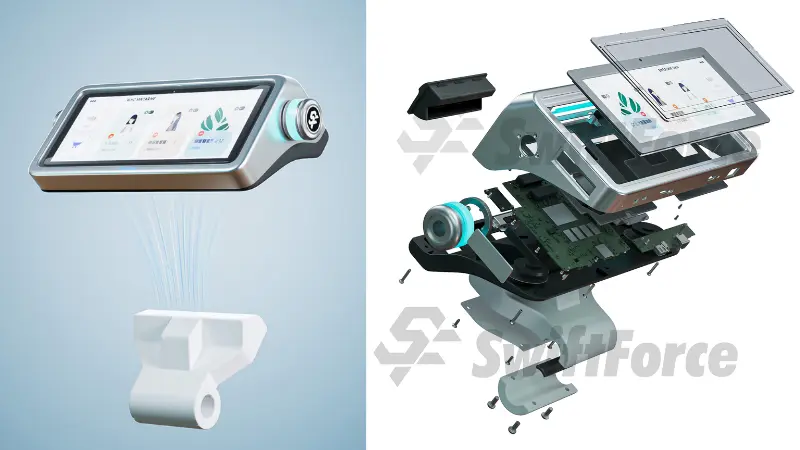
Smart shopping carts deliver clear value, but rollout requires planning. Retail leaders expect trade-offs, not promises. A clear view of cost, layout, systems, and readiness helps avoid delays and failed pilots.
Cost Per Cart and ROI Timelines
Smart carts require upfront spend. Costs include hardware, software, and support. Returns do not appear in the first weeks. Most stores see an impact over time as adoption grows. Leaders should plan for:
- Pilot programs before full rollout
- Gradual gains in labor savings
- Basket size lift after shopper familiarity
Precise ROI tracking builds confidence and guides expansion.
Store Layout and Cart Management
Store layout affects cart use. Narrow aisles slow movement. Entry and exit flow needs adjustment. Cart storage and charging also need space. Teams must plan for:
- Cart availability during peak hours
- Safe parking and charging zones
- Clear paths through high-traffic areas
Good layout planning prevents bottlenecks.
Network and Infrastructure Readiness
Smart carts rely on steady connectivity. Weak coverage causes delays and errors. Stores must review:
- Wi-Fi strength across the floor
- Backup connections for peak loads
- Power access for charging
Stable networks protect accuracy and uptime.
POS and Legacy System Integration
Smart carts must work with existing systems. Older POS setups may limit features. Teams should confirm:
- Price and promotion sync
- Inventory updates after each trip
- Compatibility with current store software
Early system checks reduce rollout risk and protect daily operations.
How to Evaluate Smart Shopping Cart Manufacturers
Choosing the right partner matters as much as choosing the technology. Smart carts stay in daily use and face constant wear. A strong evaluation focuses on how the system performs over time, not how it looks in a demo.
Buyers should assess both hardware reliability and software depth before committing to any smart cart manufacturers.
Hardware Capabilities That Affect Accuracy and Lifespan
Hardware quality shapes daily performance. Poor components lead to errors, downtime, and early replacement. Retailers should review four core areas:
- Camera quality: Clear images enable accurate item tracking across varied lighting conditions. Weak cameras struggle during peak hours.
- Battery life: Carts must last a full shift without frequent charging. Short battery cycles reduce availability.
- Durability: Frames, wheels, and screens must handle heavy loads and constant movement. Fragile designs raise repair costs.
- Theft protection: Built-in safeguards help prevent cart loss and misuse inside and outside the store.
Strong hardware reduces errors and protects long-term investment.
Software Capabilities That Determine Long-Term Value
Software defines how the system improves over time. Buyers should look beyond basic functions and confirm future readiness:
- Recognition accuracy: The system must handle mixed baskets and similar items without user input.
- Updates: Regular improvements keep accuracy high as products and packaging change.
- Analytics: Clear data on trips, basket size, and flow helps leaders refine operations.
- Integration flexibility: The platform should connect easily with existing POS, inventory, and loyalty systems.
A strong, smart cart solution provider delivers steady improvements without disrupting daily store operations.
ROI of AI Smart Shopping Carts: What Retailers Actually Measure
Retail leaders evaluate smart carts by results, not promises. ROI comes from steady operational gains across several store metrics. These gains compound over time as adoption grows and teams adjust workflows.
Throughput Improvement
Smart carts remove checkout delays. Customers finish trips faster and exit without lines. Stores handle more trips per hour, especially during peak periods. Higher throughput increases daily sales capacity without expanding floor space or adding lanes.
Labor Savings
Checkout tasks shift from fixed lanes to the cart. Stores reduce the need for dedicated checkout staff while keeping service levels intact. Teams focus on restocking, customer help, and floor coverage. Labor savings appear gradually as schedules adjust and demand stabilizes.
Basket Size Lift
On-cart pricing and prompts influence buying decisions during the trip. Customers add items with clear visibility into totals. This control supports small but consistent increases in average basket size over time.
Shrink Reduction
Smart carts track items as they enter and leave the basket. This process lowers missed scans and manual errors. Shrink falls as checkout accuracy improves and oversight becomes less reactive.
Simple ROI Formula Example
Retailers often use a basic framework:
ROI = (Labor savings + added revenue from higher throughput and basket size + shrink reduction) ÷ total smart cart cost
For example, modest labor savings combined with a small basket lift across thousands of trips can cover cart costs within a planned rollout period.
The Future Role of Smart Shopping Carts in AI-Driven Retail
Smart shopping carts will play a larger role than checkout alone. They will support daily operations and long-term store strategy. Retailers will treat carts as core infrastructure, not add-on tools.
Loyalty That Works Inside the Store
Smart carts will link directly with loyalty programs. Shoppers will see rewards and pricing as they move through aisles. This link keeps offers relevant and easy to use. Loyalty becomes part of the trip, not a step after payment.
Guided Movement Through the Store
Carts will support simple navigation. Shoppers will find items faster. Stores will guide traffic away from crowded areas. This improves flow and reduces congestion during busy hours.
Personalized Trips at Scale
Carts will adapt to each shopper. Past purchases and current baskets will shape offers and reminders. Personalization will feel helpful, not forced. Customers stay in control of choices and pace.
A Core Part of the Retail System
Smart carts will connect with pricing, inventory, and store planning tools. They will act as mobile touchpoints across the floor. In AI-driven retail, carts will support speed, insight, and consistency across every trip.
Final Take: Checkout-Free Retail Starts With the Cart
Smart carts no longer serve as an experiment. They define how checkout-free retail scales inside existing stores. Supermarkets that adopt them reduce reliance on fixed lanes and constant supervision.
They gain flexibility as customer demand changes. This approach supports long-term advantage without operational risk.
For grocers looking to modernize, smart carts offer a practical path toward frictionless retail—one that balances innovation with real-world execution.
Ready to see how this model can work in your store?
If you’re evaluating how to bring checkout-free capabilities into your store, the first step is understanding how smart carts integrate with your existing POS and store operations.Explore Swiftforce smart carts to understand how supermarkets deploy this model without full store redesigns. Connect with our team to discuss deployment options, pilot strategies, and the best approach for your business.